In today's digital economy, data is not just a by-product of business operations—it is a vital strategic asset. With the rapid rise in digital services, cloud solutions, and software-as-a-service platforms, organizations are producing and relying on more data than ever before. However, an often-overlooked but critical issue is where this data resides and, more importantly, who truly controls it. As a senior management consultant with years of experience guiding organizations through digital transformation, I cannot overstate the importance of owning your data and ensuring it is hosted on servers you control.
Modern organizations recognize that data drives decision-making, fuels innovation, and underpins almost every competitive advantage. Whether it is customer information, operational analytics, intellectual property, or financial records, data has become as valuable as physical inventory or property. Losing access to your data—or having it controlled by a third-party vendor—can cripple your business, slow down operations, and introduce significant risks.
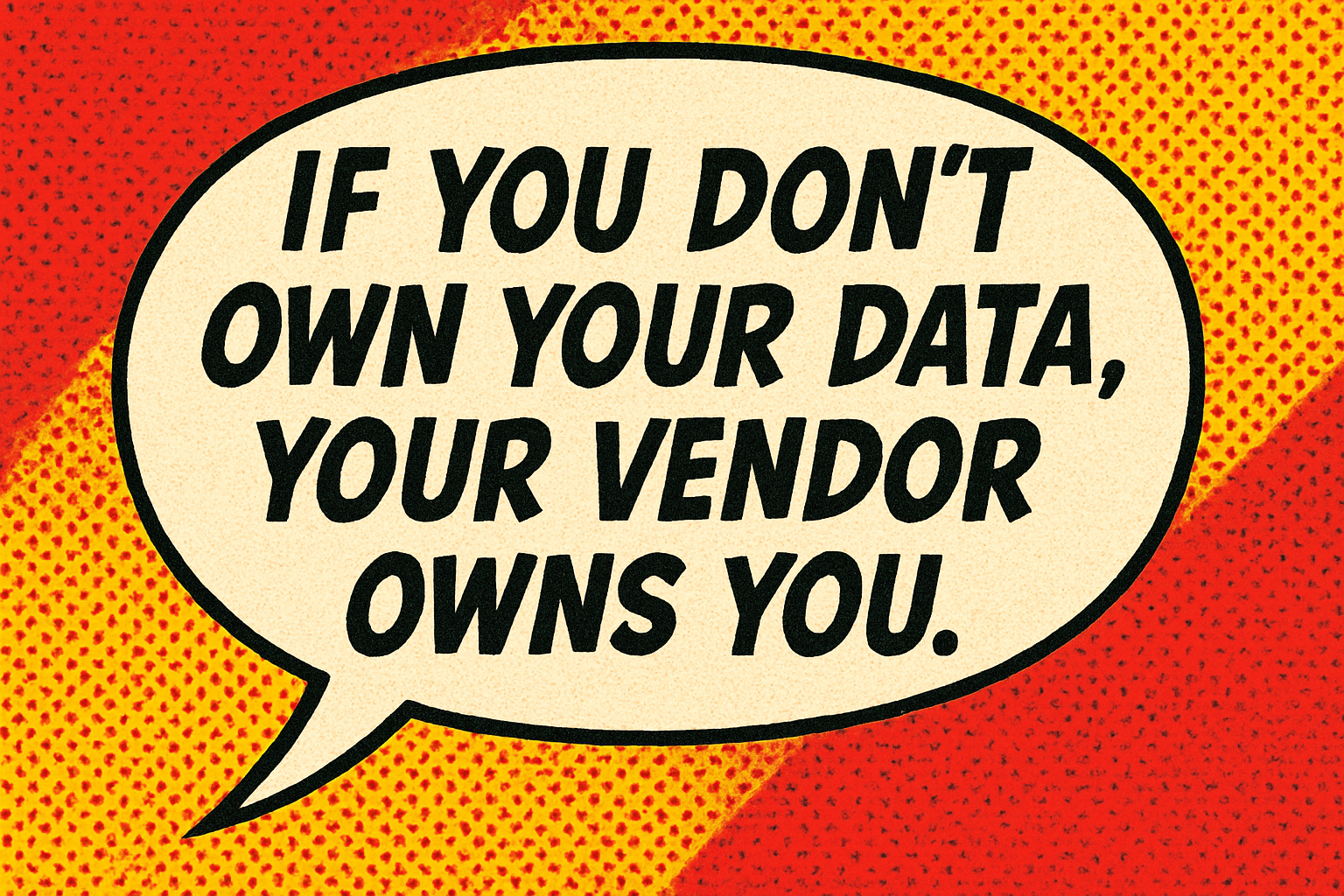
When organizations rely on external vendors to store and manage their data, they expose themselves to the risks of “vendor lock-in.” In this scenario, your data is stored on systems and infrastructure that you do not own or fully control. Should your relationship with the vendor deteriorate, costs increase unexpectedly, or the vendor’s service quality decline, you may find it extremely challenging—and expensive—to migrate your data elsewhere.
This situation can quickly lead to your vendor holding your data hostage, either directly (by restricting access or charging excessive export fees) or indirectly (through proprietary formats or technology that make migration difficult). In some cases, organizations have faced lengthy legal battles or operational standstills simply because they could not regain control of their own data.
Another critical reason for hosting data on your own servers is compliance. Data privacy regulations are tightening worldwide, and Canadian businesses must comply with laws such as PIPEDA, as well as sector-specific requirements. Hosting data on servers you own provides greater oversight and easier audit trails, ensuring you know exactly where your data is, who can access it, and how it is being protected. Relying on third-party vendors—especially those with infrastructure outside Canada—can introduce legal and regulatory headaches, and expose your organization to unforeseen liabilities.
Owning your data—and the servers it resides on—also strengthens your organization’s resilience. When you have direct control over your infrastructure, you can design backup, recovery, and continuity plans that fit your needs, rather than being beholden to a vendor’s schedule, processes, or limitations. This autonomy allows for quicker restoration in the event of disaster, and ensures that you are never left waiting for a third-party to act in your best interests.
Finally, controlling your own data infrastructure means you are free to innovate. You can integrate new analytics tools, deploy advanced AI, or pilot emerging technologies without needing your vendor’s permission or waiting on their product roadmap. That control also matters for company-specific AI: approaches such as RAG work best when your knowledge base and documents remain yours to govern. This agility is a key differentiator in a fast-moving market, allowing you to seize opportunities and respond to threats more rapidly than competitors locked into restrictive vendor arrangements.
Legacy systems often present significant obstacles to modernization, primarily because essential business data is entrenched in outdated, proprietary formats that are difficult to access and export. Organizations may find themselves at a standstill, unable to unlock the true value of their data without engaging in costly and complex migration projects. In many cases, vendors impose exorbitant fees for basic data extraction or conversion tasks, effectively forcing companies to "buy back" their own information in order to move forward.
To avoid these pitfalls, it is crucial to establish a dedicated data migration project that focuses on efficiency and cost-effectiveness. By planning carefully, leveraging experienced internal and external expertise, and insisting on transparent vendor practices, organizations can ensure that their data is transitioned smoothly into modern systems. This approach not only protects your investment, but also lays the groundwork for future innovation and flexibility.
In summary, data is now one of the most valuable assets your organization possesses. To realize its full potential—and to protect your business from the risks of vendor lock-in, regulatory non-compliance, and operational disruption—data must reside on servers you own and control. Investing in your own data infrastructure may require upfront resources and expertise, but the long-term benefits to security, compliance, and strategic agility are immeasurable. Do not let your data become a bargaining chip in someone else’s business model. Take ownership, and secure your organization’s future.
I work alongside you to help you develop a plan of action on next steps. Everything from:
The result is eventual ownership of your data, taking into account common pitfalls my clients have faced in the past.
Reach out for a quick chat on how I can help at Suganth@AruviConsultancyServices.com